Hyundai Creta Marks a Decade in Nepal: 10 Years, 10,000 Customers, 4 Generations




September 2025 marks a decade since the Hyundai Creta first arrived in Nepal—a period during which it has become one of the country’s most successful compact SUVs.
The Creta not only established itself as a leading choice among Nepalese drivers but also set new benchmarks in design, comfort, and practicality for the segment. Its journey reflects how a well-positioned SUV can shape market expectations and influence the evolution of compact SUVs in Nepal.

Hyundai Creta’s Popularity and Versatility
Since its arrival in 2015, the Hyundai Creta has become a favorite among Nepalese car buyers, serving as both a practical weekday commuter and a reliable companion for weekend road trips. Its versatility appeals to young professionals seeking style and functionality as well as families needing comfort.
From its very first model, the Creta redefined the midsize SUV segment with attractive design, spacious interiors, multiple engine options, and modern technology. Over the years, Hyundai has continued to enhance it, making the Creta a strong value proposition in the market.

The support of Laxmi Intercontinental, Hyundai’s sole distributor in Nepal, with its extensive service network, has further cemented the Creta’s position as a top choice for buyers.
The Evolution: Four Generations of the Hyundai Creta
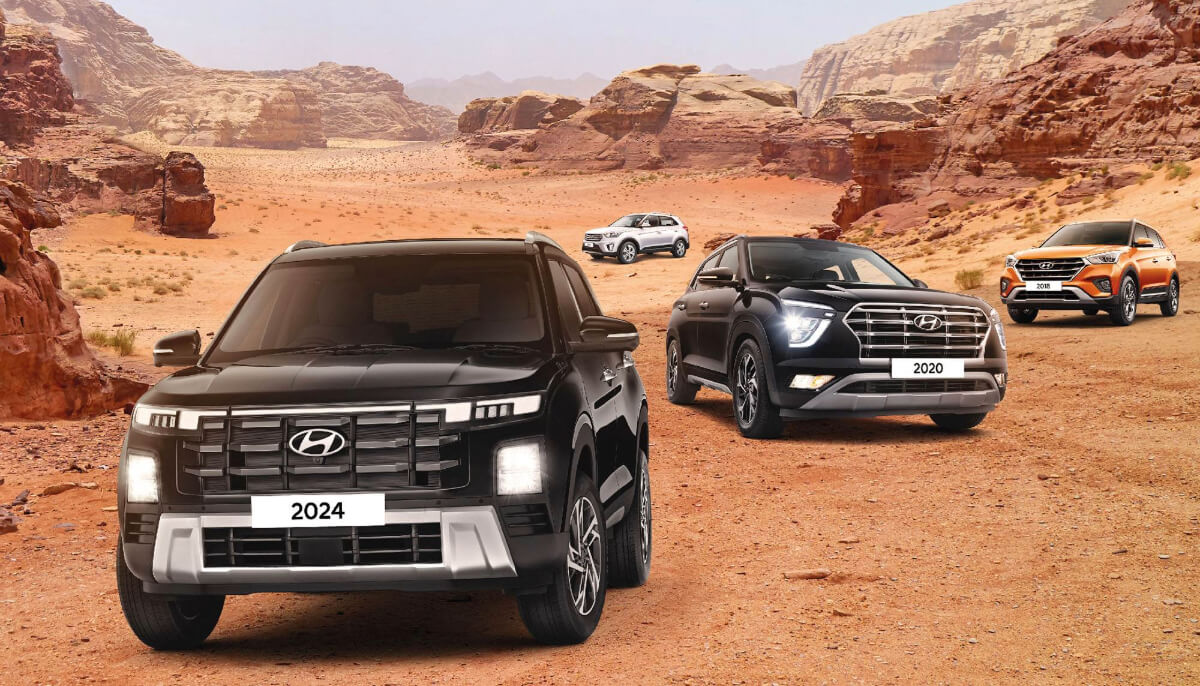
Over the past ten years, the Hyundai Creta has evolved through four different generations, each improving on design, performance, and features to meet the changing expectations of consumers.
1. First Generation (2015–2018):
Launched in 2015, the first Hyundai Creta combined a bold, boxy design with elegance, featuring projector halogen headlights, LED DRLs, a chrome grille, and wraparound tail lamps. Inside, a beige-black cabin offered a clean dashboard, touchscreen infotainment, and premium feel.

Key features included a 7-inch touchscreen with navigation, automatic climate control, push-button start, power windows, and safety features like six airbags and rear parking assist. It came with three engine options: 1.6L petrol (123 PS), 1.4L diesel (90 PS), and 1.6L diesel (128 PS), paired with 6-speed manual or automatic transmissions.
2. Second Generation (2018-2020):
After nearly four years on the market, Hyundai launched the second-generation Creta in 2019 with subtle yet noticeable design updates. It featured redesigned dual-pod halogen projector headlights, a sleeker chrome-bar grille, updated bumpers, new fog lamps with integrated LED DRLs, and refreshed tail lights for a more refined look.
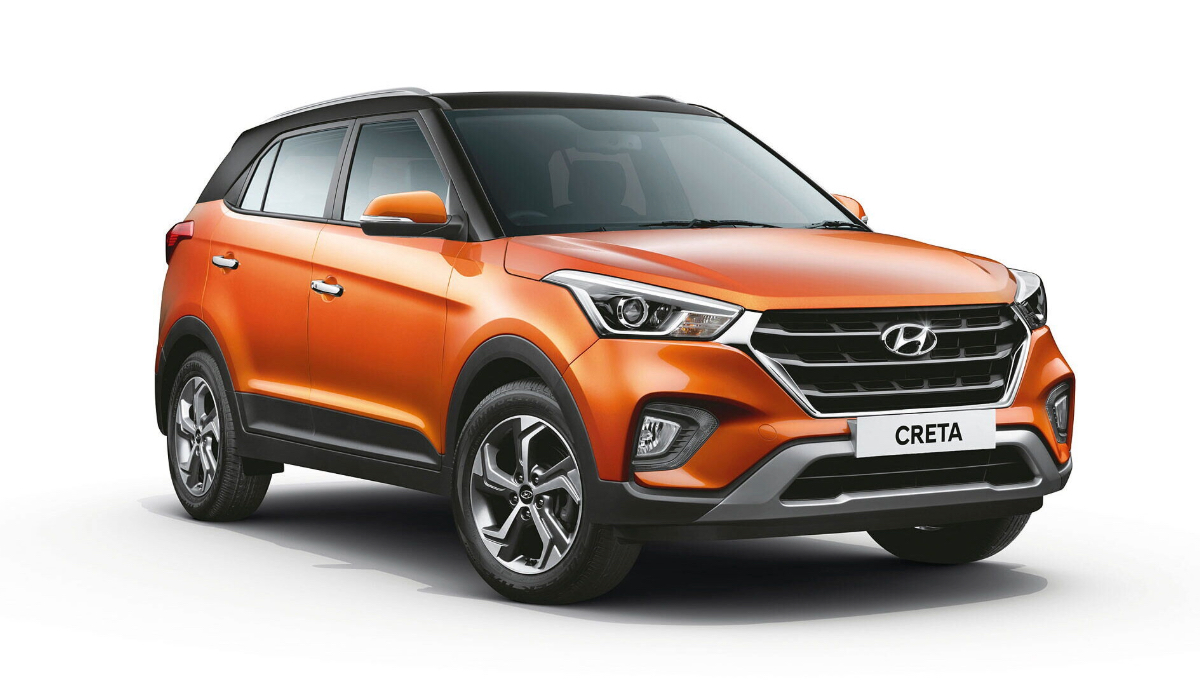
Inside, the black-and-beige cabin received updated seat upholstery. New features included a single-pane sunroof, wireless charger, 6-way electric driver’s seat, auto-dimming IRVM, cruise control, and a wearable smart key. Safety remained similar, with ISOFIX anchors added on automatic variants. Engine options stayed the same as the first generation.
3. Third Generation (2020–2024):
Launched in March 2020, the third-generation Hyundai Creta brought a complete redesign, featuring curvier styling, 3-pod LED headlights, a bold grille, 17-inch dual-tone alloys, and LED tail lamps. Inside, the dual-tone cabin looked modern and premium, with turbo-petrol variants adding sporty red accents, digital displays, and layered dashboard design.
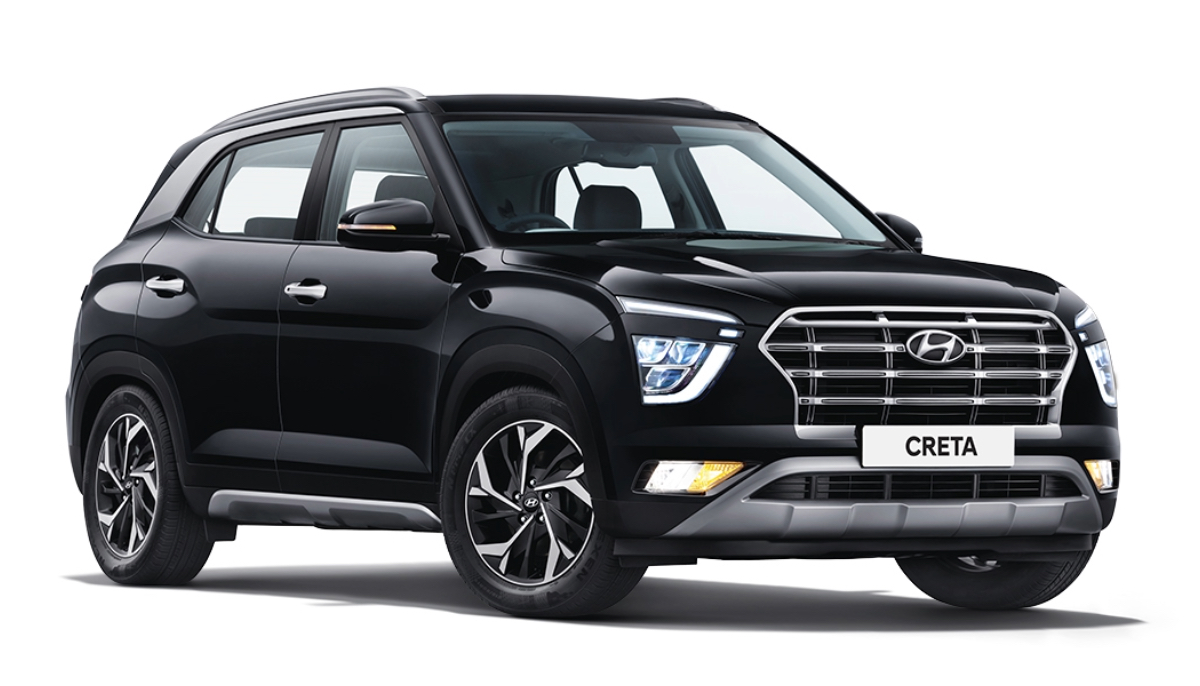
Key features included a 10.25-inch touchscreen, panoramic sunroof, wireless charger, 8-way adjustable driver seat, ventilated seats, and an 8-speaker Bose system. Safety came with six airbags, hill-start assist, and auto-dimming IRVM. Engine options included 1.5L petrol, 1.4L turbo-petrol, and 1.5L diesel, with the turbo-petrol discontinued in 2023.
4. Fourth Generation (2024–Present):
With this update, Hyundai brought back the boxy proportions of the original Creta, featuring straight lines for a classic SUV look. The facelift added a modern touch with split-LED headlights, connected LED DRLs, and connected LED tail lamps, giving it a premium presence.
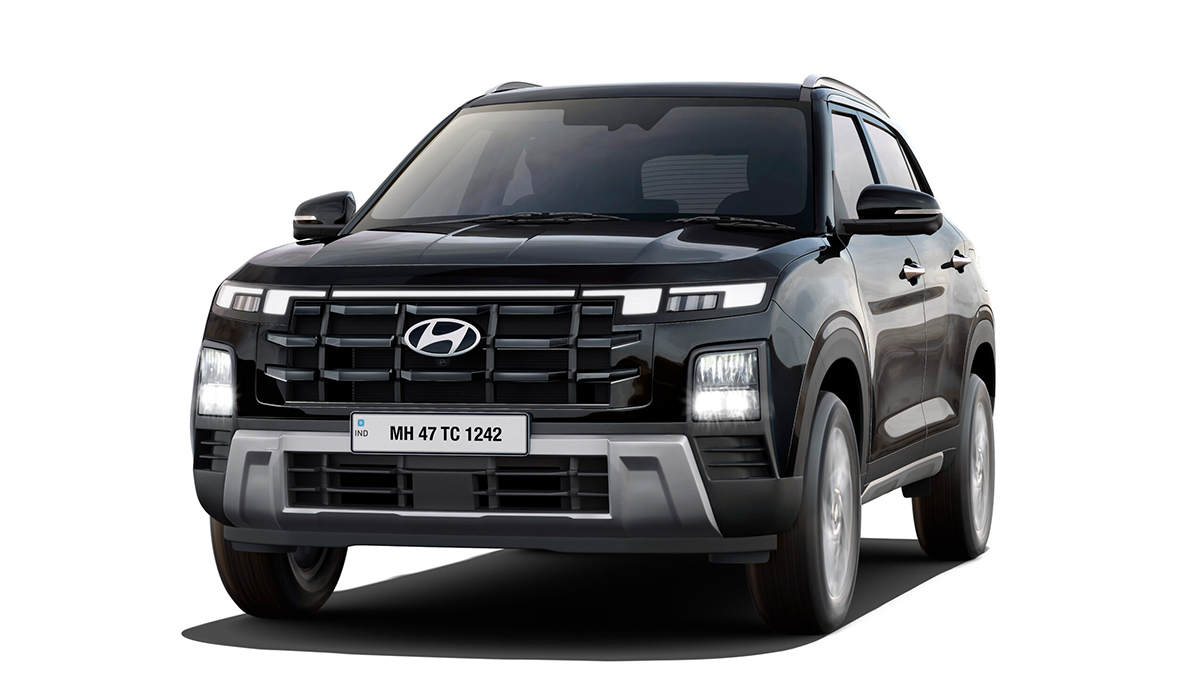
Inside, a redesigned dashboard with subtle copper accents and dual 10.25-inch digital displays enhanced the tech-forward feel, while the steering wheel remained the same. Notable upgrades included dual-zone climate control, ventilated front seats, a 360-degree camera, and a Level 2 ADAS suite, with six airbags standard across all variants.
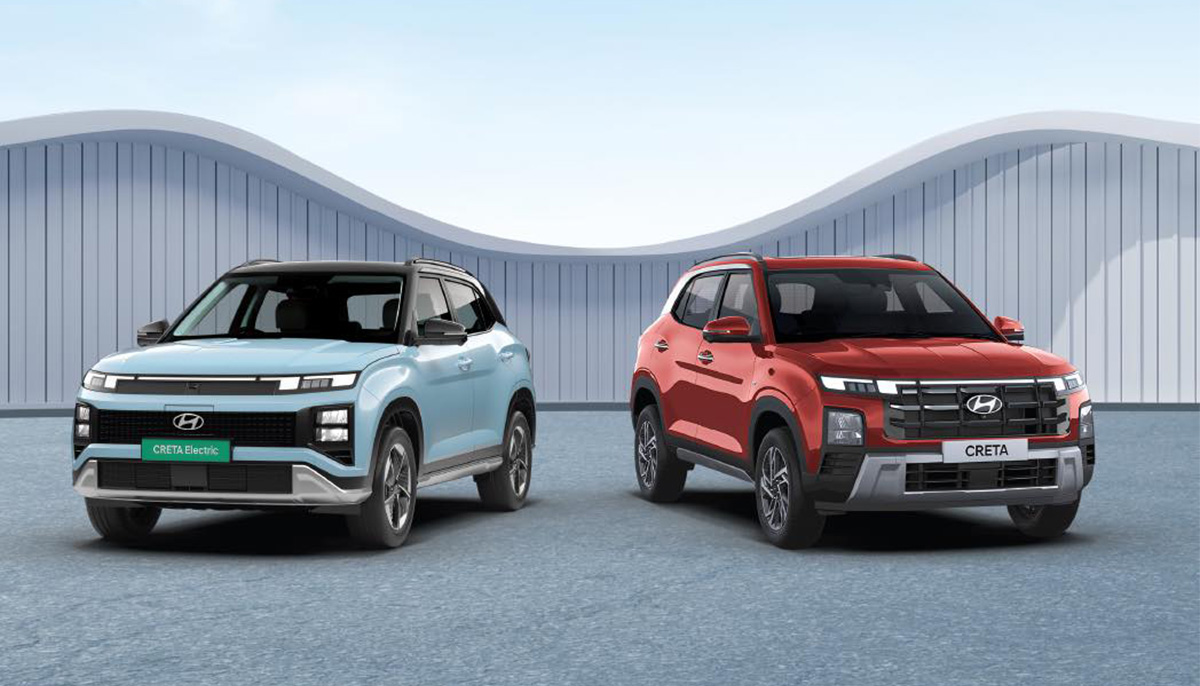
The facelift retained the 1.5L petrol and diesel engines and added a 1.5L turbo-petrol producing 160 PS and 253 Nm. Hyundai also introduced the all-electric Creta in January 2025, launched in Nepal in March 2025 with a 42 kWh battery delivering 132 bhp and 390 km range. The assembled-in-Nepal ICE Creta was launched the same month.
Over 10,000 Customers and Local Assembly
Hyundai Nepal has now surpassed 10,000 Creta owners, highlighting the SUV’s strong popularity in the country. The milestone 10,000th vehicle was assembled locally at Hyundai Nepal’s assembly facility, underlining the company’s focus on quality and contribution to the local automotive industry.
Creta EV: Moving Toward Sustainable Mobility
The Creta EV offers a 42 kWh battery with an estimated range of 390 km on a single charge. It includes advanced safety features such as ADAS, six airbags, and a 360-degree camera, ensuring a blend of performance, comfort, and protection for passengers.
A Month of Surprises for Creta Owners
To mark this milestone, Hyundai Nepal has dedicated September 2025 as a month of surprises for Creta owners. While details are being kept under wraps, the initiative demonstrates appreciation for the customers who have contributed to the Creta’s decade-long success in Nepal.
Looking Ahead
The Hyundai Creta has been a significant presence in Nepal’s midsize SUV segment for ten years. With 10 years, 10,000 customers, and five generations, including the recent Creta EV, it has consistently evolved to meet market demands and driver expectations. Its decade-long journey highlights both the SUV’s adaptability and the growing maturity of Nepal’s automotive market.


Changan Nevo Q05 Delivered to Five Nepali Celebrities

Omoda Jaecoo Continues Nepal Premier League Partnership for 2026